
The Effect of Age on Balance and Dizziness
Many different changes happen in our bodies with time. Most of us notice our energy may fade a little or it may become more difficult to lose excess body weight. Our ability to balance and feel steady on our feet may also change as well.
Balance is the combination of all senses coming together to make a clear picture in our brain. The good news is that if any one of these becomes less accurate, the other two can adapt to step in. The main sensors are:
- Vision: We rely on our eyes to orientate us in our world. We can tell where we are by seeing our position in the environment
- Pressure: We feel the ground under our feet. The way we shift our weight on our legs tells our muscles and joints what to do to keep us upright
- Inner ear: There are tiny tubes filled with fluid in our ears that sense when we move. This tells our brain how to respond to sudden shifts in weight or quick turns so that we don’t fall over

The Eyes
Most people rely heavily on the eyes to keep their balance. As we age, our eyes may be more affected by sudden changes from light to dark, or lose their ability to focus as easily. Often we need spectacles to improve our vision. Cataracts, glaucoma, and the effects of diabetes or other conditions can alter our vision as well. Often people will choose bifocal or varifocal lenses for convenience. Over time, these can affect your depth perception causing you to trip on curbs or uneven surfaces. A study from Australia in 2010 found that 300 long time users of bifocals had twice as many falls as 300 people with separate reading and distance glasses.
Vision checks are recommended every 2 years or every year if you are over 65 years of age.
The Feet
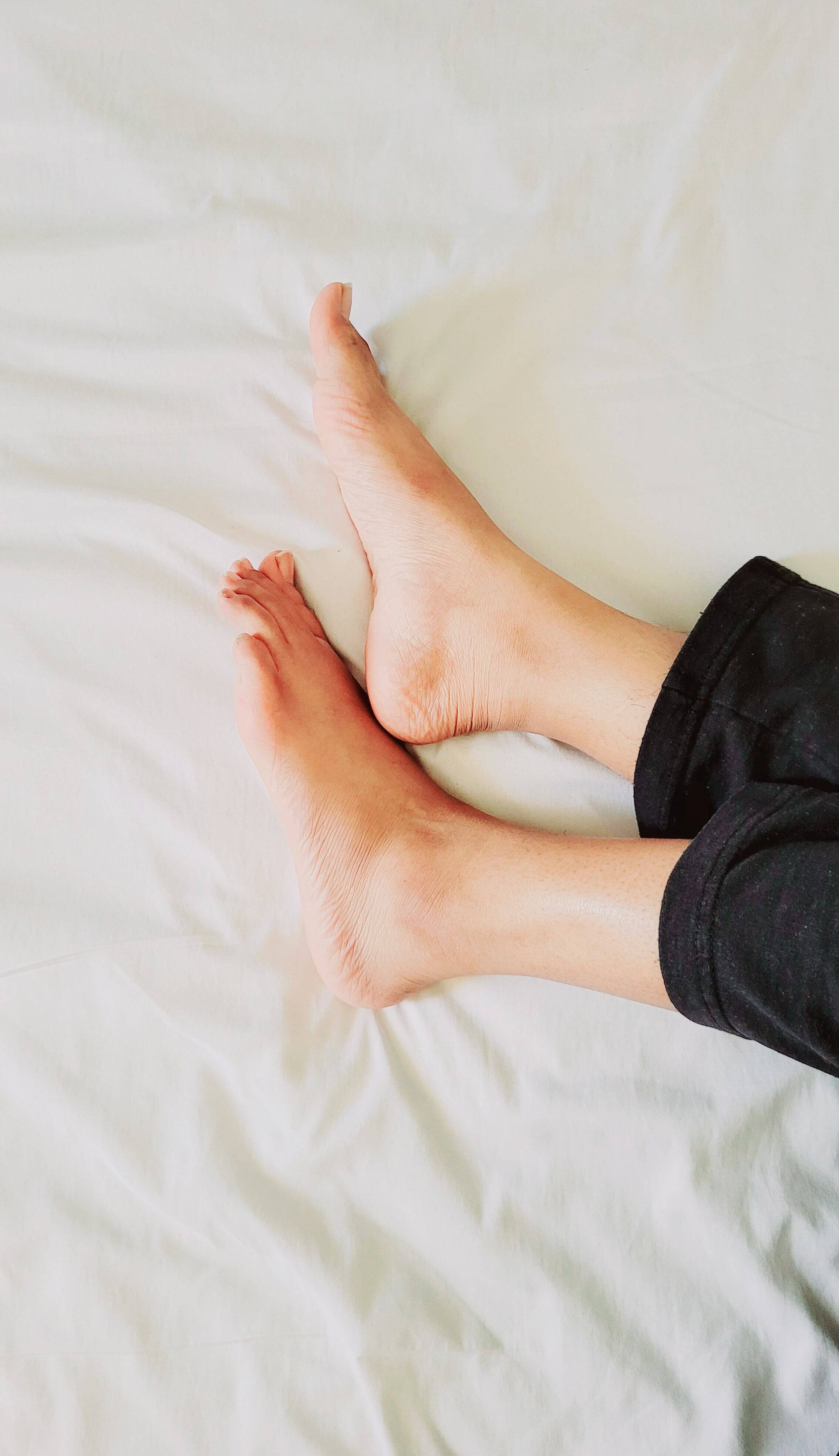
Being able to feel the ground under our feet is an often overlooked part of being steady. Children enjoy bouncy castles because of the challenge of keeping their balance (and they don’t get hurt if they fall over). Many things can cause this ability to fade as we age. Poor circulation due to smoking, excessive alcohol, diabetes, and other things can cause nerves in the feet to die off. Feet can be left feeling numb or having pins and needles sensations. Arthritic changes in the small joints of the feet or in the lower back can change how we feel the ground beneath us as well.
If you can’t feel the ground beneath you it is difficult to know where you are and it can feel bouncy or wobbly when you walk.
These changes can be prevented by taking healthy steps early, such as quitting smoking, adopting healthy diets and seeking regular foot care from a podiatrist or chiropodist. We can also make wise choices about footwear that are supportive, firm, and fit correctly. Shoes with soft, squishy soles can seem very tempting particularly for people with bunions or other arthritic changes in their feet. Be careful about these types of shoes and trainers as it can be like walking in a bouncy castle all day.
Good strength in muscles is needed to be able to act on the messages the brain receives from vision, joints and movement planning centres in the brain. Maintaining strength through daily activity also helps circulation, lungs, and helps joints be less stiff.
The Inner Ear
This is a very important sensor for balance. As the fluid moves in tiny tubes in each ear, messages are sent to the brain which then sends messages to the eyes and the muscles about how to move safely. The brain depends upon the messages from the ears being of equal strength. The messages can become muddled for many reasons. The most common are calcium crystals getting stuck in the balance tubes, side effects of medications, growths on the nerves connecting them to the brain, or infections. Then the messages to the eyes and muscles becomes muddled as well. This can cause feelings of dizziness, being “off balance”, or vertigo. Vertigo is a feeling that the world is moving around you.
The most common cause of dizziness and vertigo in people older than 65 is when calcium crystals from one chamber in the inner ear move into tiny tubes of fluid also in the inner ear. This is a condition called Benign Paroxysmal Positional Vertigo (BPPV). The good news about this condition is it’s easily fixed by moving the crystals out of the tube and back to the chamber they came from. This is done with an Epley Manoeuvre.

A qualified Physiotherapist, Doctor, or Audiologist may be able to help you perform this manoeuvre and normally people feel better very quickly. The risk of developing this condition is increased by having diabetes and/or being low in vitamin D, head injury or whiplash. It is important to remember that dizziness is not just a part of aging. You should seek professional advice if you do become dizzy.
Nobody intends to fall over and hurt themselves and you shouldn’t go through life in fear because fear of falling actually increases your risk of falling. However, we can be proactive and do things that reduce the risk. 1 in 3 people who fall are over the age of 65.

What else can cause you to feel dizzy or fall over?
1. Postural Hypotension
This is when blood pressure drops suddenly when you stand up. This can be due to dehydration, irregular heart rhythms or side effects of certain medications.
2. Medication side effects
Its common for people to take more medications with age to address blood pressure, blood sugars, depression, anxiety, heart problems, pain, or other conditions that develop. Having more than 4 medications a day increases the risk of falling over. It is strongly recommended that people review their medications with their GP at least once a year or after any change in their health including weight gain or loss.
3. Medical Conditions
4. Malnutrition and dehydration
If you, or someone you care for, feel unsteady, dizzy or lightheaded, speak to your GP, nurse practitioner, or physiotherapist for advice on how to make positive changes to stay active. Falling doesn’t have to be a part of getting older. Dizziness and imbalance can be prevented, managed and corrected with the right treatment and exercise. If you are in good health, remember to stay active.
Do things you enjoy; dancing, yoga, Tai-Chi, golf, bowls, swimming, anything that gets your heart rate up and keeps your muscles strong. If your health prevents you from exercising speak to your GP about seeing a Physiotherapist. A Physiotherapist will be able to put together an individual movement and management programme that will reduce your risk of falling.
Katrina Humphreys is our Specialist Vestibular Physiotherapist.

The information in this post is taken from ‘The Effect of Age on Balance and Dizziness’ from the ACPIVR – THE ASSOCIATION OF CHARTERED PHYSIOTHERAPISTS INTERESTED IN VESTIBULAR REHABILITATION.