
Sports Injuries in Young Athletes
Children and teenagers are becoming increasingly involved in sport, with many training and competing several times each week. Helping them develop their strength, confidence, and overall physical health.
However, their bodies are still developing, and periods of rapid growth can change the way bones, muscles, tendons and joints respond to the demands of sport. This can make certain injuries more common, particularly during adolescence.
Understanding these injuries can help parents, coaches and young athletes recognise symptoms early and manage them appropriately.
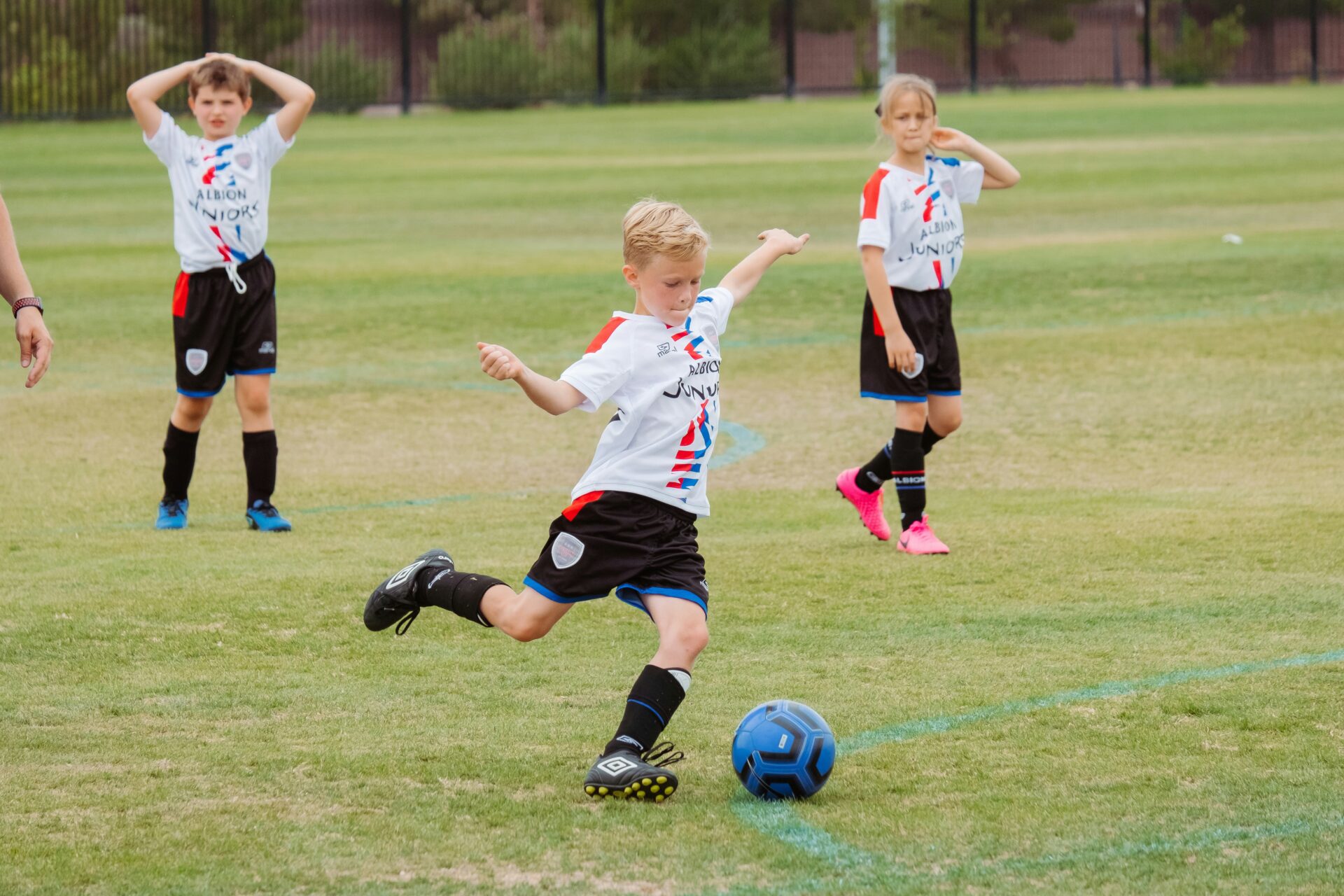
Why are young athletes more susceptible to injury?
During childhood and adolescence, bones are still growing. Areas known as growth plates and apophyses are particularly important because they are involved in bone growth and are also attachment points for muscles and tendons. During a growth spurt, bones can grow rapidly while muscles and tendons take time to adapt. For an active young athlete, this can place additional stress on certain areas of the body.
This does not mean that children should stop playing sport during periods of growth. Instead, it is important to recognise changes in symptoms, performance and recovery and adjust training when necessary.
Common growth-related sports injuries
Osgood-Schlatter disease
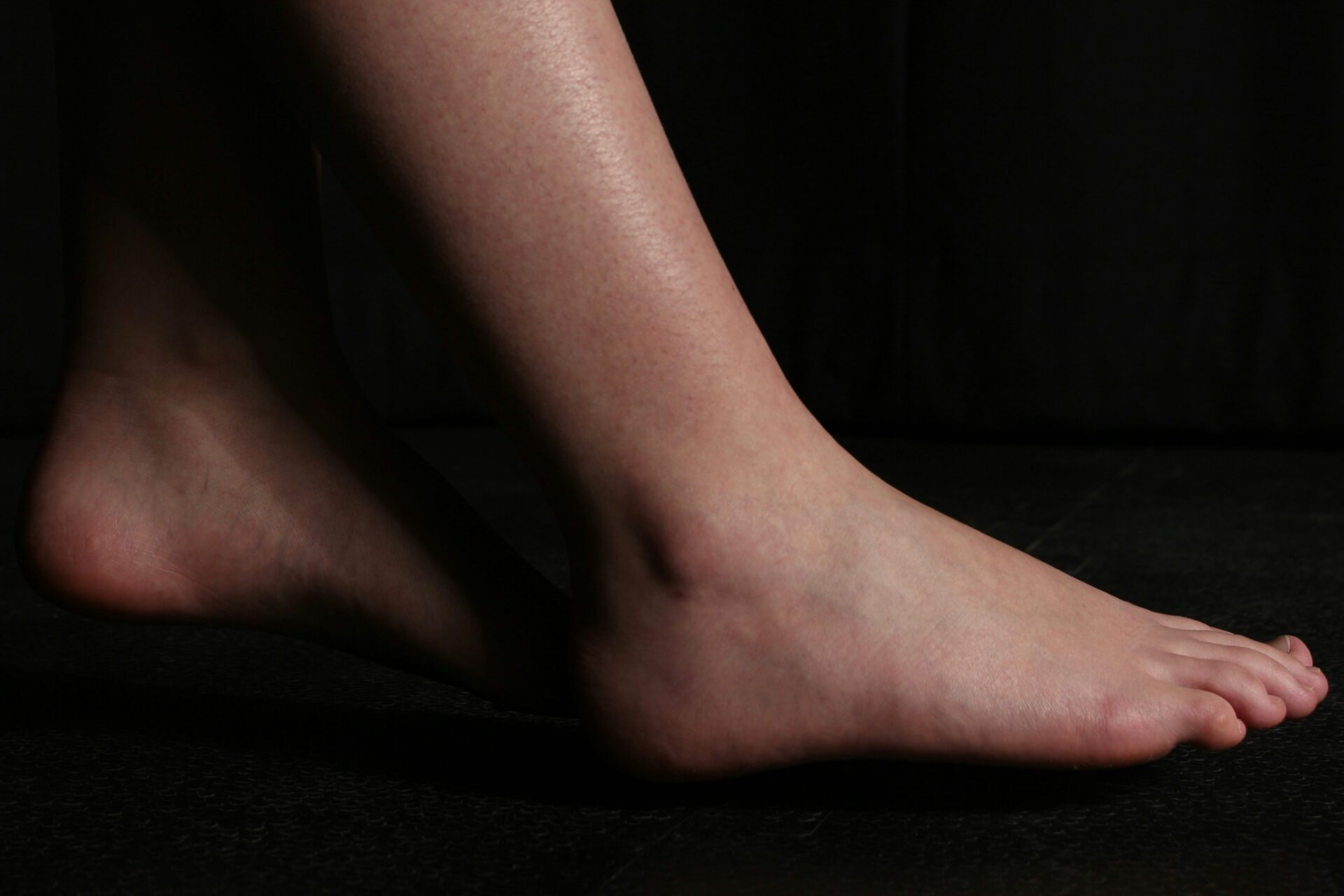
Sever’s disease
Hip and pelvic growth-related injuries
There are several growth areas around the hip and pelvis where muscles and tendons attach. These areas can become irritated through repetitive sporting activities such as sprinting, kicking and jumping. Pain may be felt around the front, side or back of the hip or pelvis and may be aggravated by running, kicking or stretching.
These symptoms can sometimes be mistaken for a muscle strain, which is why an appropriate assessment is important if symptoms persist.
Stress injuries

Is it growing pain or an injury?
Not every ache or pain in a young athlete is a serious injury. However, persistent sporting pain should not simply be dismissed as “growing pains”.
It is worth seeking professional advice if your child has any of the below:
- Pain that consistently occurs during sport
- Pain that is getting progressively worse
- Localised tenderness over a bone or joint
- Swelling
- A limp or change in their normal movement
- Reduced sporting performance
- Pain that continues after exercise
- Recurrent symptoms
- Difficulty participating in normal activities
The importance of training load
Useful tips:
- Allow adequate recovery between demanding sessions
- Avoid sudden increases in training
- Monitor pain and fatigue
- Include appropriate strength training
- Prioritise sleep and nutrition
- Communicate between parents, coaches and medical staff
How can physiotherapy help?
A physiotherapy assessment can help identify whether symptoms are related to growth, training load, an acute injury or another musculoskeletal problem. Treatment will depend on the individual athlete and may include education, training modification, strengthening, mobility exercises and a progressive return to sport programme. For young athletes, rehabilitation should be about more than simply getting rid of pain.
The goal is to help them return to their sport safely and confidently, while developing the strength and physical capacity needed to cope with the demands of their activity.